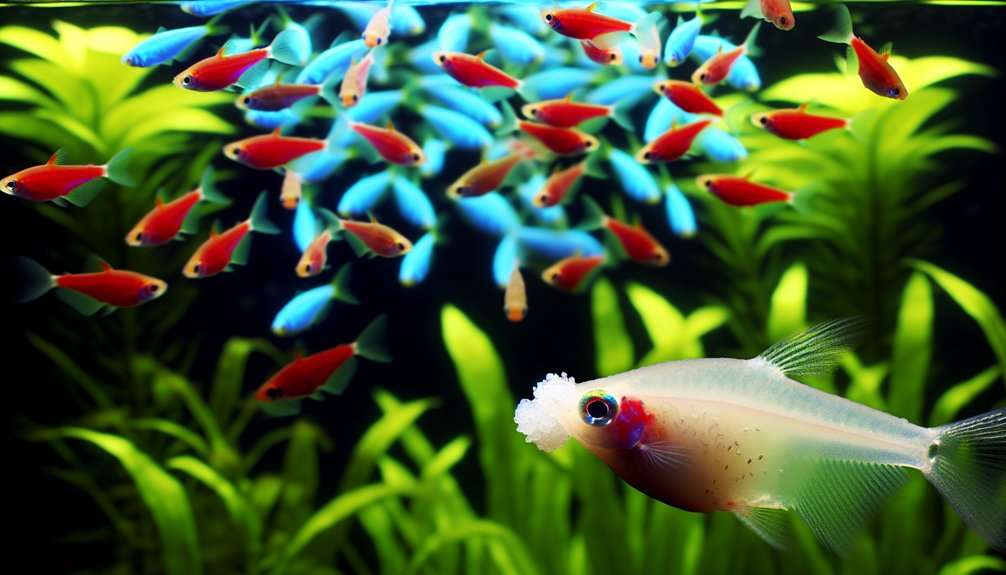
Neon Tetra Disease can strike like a thief in the night, stealing the vibrancy of your aquarium. If you’ve noticed your beloved fish displaying strange behaviors orfading colors, you might be facing an unsettling challenge. Understanding the signs and causes of this disease is essential for any fish keeper. What steps can you take to protect your tank and its inhabitants? Let’s explore the intricacies of this alarming condition together.
Key Takeaways
- Neon Tetra Disease is caused by the parasite Pleistophora hyphessobryconis, primarily affecting Neon Tetras and other freshwater fish.
- Symptoms include faded colors, white cysts on the body, erratic swimming, and behavioral changes like lethargy.
- The disease spreads through direct contact and contaminated water, with environmental stress factors increasing susceptibility.
- No cure exists; infected fish should be quarantined, and proper tank maintenance is essential to prevent outbreaks.
- Maintaining a healthy environment and diet supports fish immune systems, reducing the risk of disease.
Understanding Neon Tetra Disease
Although Neon Tetra Disease (NTD) primarily affects the popular Neon Tetra fish, it can pose a significant threat to your aquarium’s health. Understanding NTD is vital for effective aquarium management. The disease often leads to changes in neon tetra behavior, such as lethargy and isolation from the school. Recognizing these behavioral shifts early on is important to prevent the spread of the disease. You should maintain ideal water quality and monitor your fish closely, as stressed or weakened tetras are more susceptible to infections. Implementing good tank hygiene, avoiding overpopulation, and providing a balanced diet can greatly reduce the risk of NTD. By staying proactive, you can help guarantee a thriving environment for your neon tetras and other aquatic inhabitants.
Symptoms of Neon Tetra Disease
When you notice changes in your Neon Tetra’s appearance or behavior, it could indicate the presence of Neon Tetra Disease (NTD). Symptom identification is essential for early intervention. Look for symptoms like a faded color, which often signals stress or illness. You might also observe behavioral changes, such as increased hiding, lack of appetite, or erratic swimming patterns. Infected fish may develop white spots or lesions on their bodies, and you may notice clamped fins or a lethargic demeanor. These signs can escalate quickly, so it’s important to act promptly. Regularly monitoring your fish will help you catch any symptoms early, allowing you to address potential health issues before they worsen.
Causes of Neon Tetra Disease
Understanding the causes of Neon Tetra Disease is essential for keeping your fish healthy. You’ll find that pathogen transmission methods, environmental stress factors, and genetic predisposition all play significant roles in this condition. By recognizing these factors, you can better protect your tetras from this harmful disease.
Pathogen Transmission Methods
Neon Tetra Disease, primarily caused by the parasite Pleistophora hyphessobryconis, spreads through several transmission methods that can quickly affect your aquarium’s health. One common route is direct contact between infected and healthy fish, as the pathogen reservoirs can host the parasite without showing symptoms. Additionally, contaminated water and equipment can serve as transmission routes, spreading the disease through unclean nets, tanks, or even your hands. It’s essential to quarantine new fish before introducing them to your tank, as they might carry the parasite unknowingly. Regular tank maintenance, including proper sanitation, helps minimize the risk of transmission. By being vigilant, you can protect your aquatic friends and maintain a healthy environment.
Environmental Stress Factors
Although various factors can contribute to the onset of Neon Tetra Disease, environmental stressors play an essential role in weakening fish and making them more susceptible to infection. Poor water quality is a significant contributor; elevated ammonia, nitrite, or nitrate levels can severely stress your tetras. Guarantee your tank conditions mimic their natural habitat, with stable temperatures and appropriate pH levels. Overcrowding can also lead to stress, as tetras need space to swim and establish territories. Regular water changes and proper filtration can help maintain a healthy environment. By taking these steps, you reduce the likelihood of stress-related issues and keep your fish healthy, ultimately minimizing the risk of Neon Tetra Disease.
Genetic Predisposition in Tetras
While many factors contribute to the development of Neon Tetra Disease, genetic predisposition plays an essential role in determining which fish are more susceptible to the infection. Genetic variability among tetras can result from certain breeding practices, which may inadvertently increase the chances of disease manifestation.
Here’s a quick overview of how different factors influence susceptibility:
| Factor | Influence on Susceptibility |
|———————-|———————————-|
| Genetic Variability | Higher risk of disease |
| Selective Breeding | Can perpetuate weak genetics |
| Inbreeding | Reduces overall resistance |
| Diverse Gene Pool | Increases resilience to disease |
Life Cycle of Pleistophora Hyphessobryconis
To understand Neon Tetra Disease, you need to grasp the life cycle of Pleistophora hyphessobryconis. This parasite goes through several stages that contribute to its infection process. By breaking down these stages, you can better recognize how it affects your fish.
Infection Process Overview
Pleistophora hyphessobryconis, the parasite responsible for Neon Tetra Disease, has a complex life cycle that plays an important role in its infection process. It starts with the parasite entering a host through the water, using specific infection mechanisms to penetrate the fish’s tissue. Once inside, it multiplies, causing significant damage to the host’s cells. The host response to this invasion usually involves an immune reaction, which can be inadequate against the parasite’s rapid reproduction. As the disease progresses, you’ll notice symptoms like discoloration and loss of appetite in affected fish. Understanding this infection process is vital for preventing and managing the disease effectively, ensuring the health of your aquarium’s inhabitants.
Life Cycle Stages
Understanding the life cycle stages of Pleistophora hyphessobryconis is essential for managing Neon Tetra Disease effectively. This parasite goes through several life stages, starting with sporulation in infected fish. Once the spores are released, they can infect healthy tetra fish through ingestion. After entering the host, the parasite develops and multiplies, leading to the disease progression you might observe in your aquarium. Infected fish often display lethargy, weight loss, and unusual swimming patterns. As the parasite continues to grow, it eventually releases new spores, allowing the cycle to repeat. By recognizing these stages, you can take proactive measures to reduce the impact of Neon Tetra Disease and maintain the health of your fish community.
Diagnosis of Neon Tetra Disease
Diagnosing Neon Tetra Disease can be challenging, especially since its symptoms often resemble those of other fish ailments. You’ll want to look out for clinical signs like faded colors, erratic swimming, and the appearance of white cysts. To confirm a diagnosis, you’ll need to use specific diagnostic methods. These may include examining the fish under a microscope to look for the causative protozoan, or evaluating the tank environment to rule out other stressors. Always consider the fish’s overall health and tank conditions, as these factors can influence the presence of symptoms. By carefully observing your fish and employing these diagnostic methods, you can better determine if Neon Tetra Disease is the issue at hand.
Treatment Options for Affected Fish
When dealing with Neon Tetra Disease, it’s vital to act quickly to improve the chances of recovery for affected fish. Start by isolating the sick fish in a hospital tank to prevent the disease from spreading. You can explore several medication options, including formalin or copper-based treatments, which may help alleviate symptoms. Make sure you follow instructions carefully for dosage and duration. Additionally, good aquarium maintenance is important; perform regular water changes and monitor water parameters to keep the environment stable. Remove any uneaten food and debris to reduce stress on the fish. While there’s no guaranteed cure, these steps can enhance the affected fish’s quality of life and potentially slow the progression of the disease.
Prevention Strategies for Healthy Aquariums
To keep your aquarium healthy and prevent Neon Tetra Disease from taking hold, you should focus on several key strategies. First, prioritize regular tank maintenance. This means performing water changes weekly to maintain ideal water quality, as dirty water can stress your fish and promote disease. Test your water parameters frequently to verify pH, ammonia, nitrite, and nitrate levels are within safe ranges.
Also, avoid overfeeding your fish, as excess food can pollute the water. Quarantine new fish before introducing them to your main tank to prevent potential infections. Finally, provide a balanced diet rich in vitamins to boost your fish’s immune systems. By following these strategies, you can create a thriving environment that keeps Neon Tetra Disease at bay.
Conclusion
In conclusion, Neon Tetra Disease is a serious threat to your aquarium, especially since it can spread rapidly, affecting up to 80% of your fish if not managed properly. Imagine watching your vibrant neon tetras fade before your eyes, their once-bright colors dulling as the disease takes hold. By staying vigilant and maintaining your tank, you can create a healthy environment where your fish thrive, keeping those brilliant colors alive and swimming joyfully.
Leave a Reply