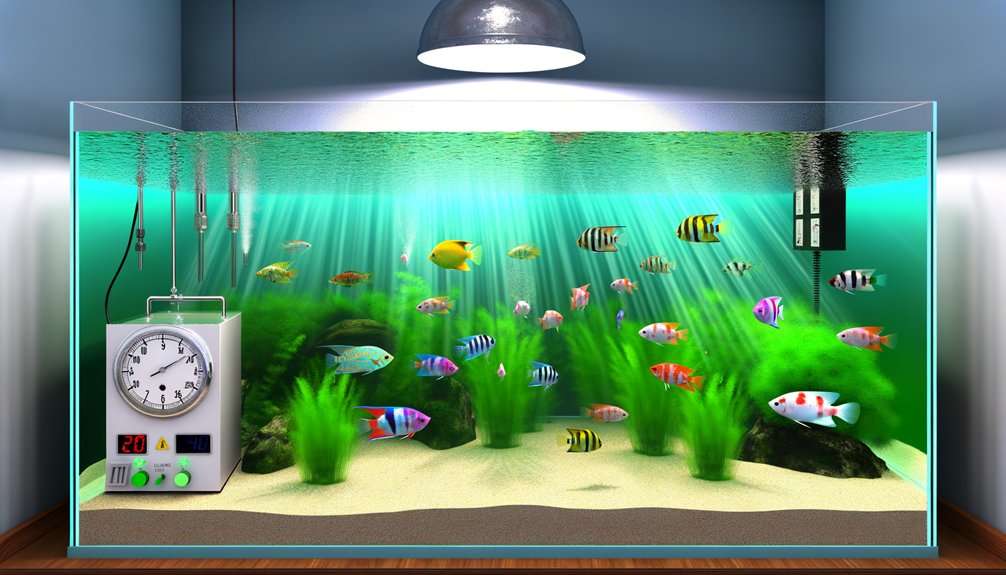
How long before tap water is safe for fish? Modern dechlorination treatments make tap water safe instantly by neutralizing toxic chlorine and chloramines. Though immediate chemical safety is achieved, letting water sit briefly helps stabilize temperature and pH, preventing fish shock. Always use an effective water conditioner to protect your fish and their ecosystem.
Key Takeaways
- Let tap water sit for 24-48 hours to allow chlorine to evaporate naturally before introducing it to fish habitats.
- Use dechlorination methods, such as vitamin C or chemical neutralizers, for immediate chlorine removal.
- Test for chlorine and chloramines to ensure levels are safe for fish before adding water.
- Monitor water hardness and pH levels to create an optimal environment for fish health.
- Regularly check for heavy metals and other contaminants to maintain a safe aquatic environment.
Understanding Tap Water Composition
Understanding the composition of tap water is essential for ensuring a safe environment for fish. One critical aspect is water hardness, which refers to the concentration of dissolved minerals, primarily calcium and magnesium. These minerals affect not only the water’s pH but also the overall health of your aquatic life. High water hardness can lead to stress in fish, while too soft water may hinder essential biological processes. You should test your tap water regularly to determine its hardness and adjust as necessary. By using water conditioners or remineralization methods, you can create a more suitable habitat for your fish. Always aim for ideal water conditions, as they directly impact the well-being and longevity of your aquatic pets.
The Impact of Chlorine on Fish
Chlorine, a common disinfectant in municipal water supplies, poses significant risks to fish when introduced into their environment. You should understand that chlorine toxicity can severely impact fish health, leading to stress, respiratory issues, and even death. Fish gills are particularly sensitive to chlorine, making it difficult for them to absorb oxygen effectively. When chlorine enters their habitat, it disrupts their biological functions, impairing immune responses and increasing vulnerability to diseases. Even low levels of chlorine can be harmful, so it’s essential to dechlorinate tap water before adding it to aquariums or ponds. By taking these precautions, you contribute to creating a healthier environment for fish, ensuring their well-being and longevity in your care.
Heavy Metals and Their Effects
While chlorine poses a well-documented threat to fish, the presence of heavy metals in tap water can also have devastating effects on aquatic life. Heavy metal sources, such as industrial runoff, plumbing materials, and agricultural practices, can lead to toxic concentrations in your aquarium. Exposure to metals like lead, mercury, and cadmium can impair fish growth, reproduction, and immune function. These toxins can accumulate in fish tissue, causing long-term health issues. Effective heavy metal detoxification is essential for maintaining a healthy aquatic environment. You can use activated carbon filters or specialized water treatment solutions to reduce these contaminants. Always monitor water quality regularly, ensuring your aquatic friends thrive in a safe, clean habitat.
The Importance of Ph Levels
Water quality goes beyond heavy metals and includes pH levels, which play an essential role in the health of your fish. Maintaining the right pH measurement—typically between 6.5 and 7.5—ensures ideal conditions for aquatic life. Fish are sensitive to pH fluctuations, and even minor changes can lead to stress, affecting their immune systems and overall well-being. To stabilize pH levels, you can use buffer solutions, which help maintain a consistent environment and prevent harmful spikes. Regular testing and monitoring of pH levels are vital for ensuring a safe habitat. By understanding and managing pH, you create a thriving ecosystem for your fish, ultimately serving their needs and promoting a healthy aquatic environment.
Methods to Dechlorinate Tap Water
When treating tap water for fish, dechlorination is essential to guarantee a safe environment. Here are some effective dechlorination techniques you can use:
- Letting Water Sit: Allow the water to sit for 24-48 hours. This method enables chlorine to evaporate naturally.
- Using Natural Dechlorinators****: Introduce products like vitamin C or specific plants that can neutralize chlorine.
- Chemical Neutralizers: Employ commercial dechlorinating agents available at pet stores, which can quickly eliminate chlorine and chloramine.
Using Water Conditioners
After dechlorination, using water conditioners can further enhance the quality of your tap water for fish. These conditioners come in various types, including those that remove heavy metals, detoxify ammonia, and promote beneficial bacteria. Selecting the right water conditioner type is essential for creating a safe environment for your aquatic life. Always consult the manufacturer’s guidelines to determine the ideal dosage for your specific conditions. Applying the appropriate amount guarantees that the water is not only safe but also supportive of fish health. Regularly using water conditioners can help mitigate the stresses of changing water and contribute to a stable ecosystem. By prioritizing water quality, you’re fostering a nurturing habitat for your aquatic companions.
Testing Your Tap Water
Before introducing your fish to tap water, it’s crucial to test its parameters to confirm a safe environment. Proper water testing guarantees that your aquatic friends thrive. Start with sample collection from your tap water, and analyze for critical factors that affect fish health. Focus on the following:
Testing tap water parameters is essential to ensure a safe and thriving environment for your fish.
- pH Levels: Verify they’re within the appropriate range for your fish species.
- Chlorine and Chloramines: Check that these harmful substances are at safe levels.
- Heavy Metals: Monitor for the presence of toxins like lead or copper.
Using reliable test kits or sending samples to a lab will provide accurate results. Once you’ve tested the water and confirmed its safety, you can confidently introduce your fish into their new home.
Waiting Periods for Safe Use
To guarantee your tap water is safe for fish, it’s essential to allow a waiting period after treatment or testing, as this process can eliminate harmful substances like chlorine and chloramines. Typically, a waiting period of 24 to 48 hours is advisable, although using an aquarium conditioner can expedite this process. During this time, you should monitor the water quality, ensuring that pH and ammonia levels are within safe ranges. Implementing these safety measures not only protects your fish but also fosters a healthier aquarium environment. Remember, patience is key; rushing the process can lead to detrimental outcomes for your aquatic pets. Always prioritize their well-being by adhering to these guidelines for safe water use.
Creating a Stable Environment for Your Fish
Creating a stable environment for your fish is essential for their health and longevity. To achieve this, focus on consistent tank maintenance and ideal water quality. Here are three key factors to take into account:
- Regular Water Testing: Monitor pH, ammonia, nitrite, and nitrate levels to guarantee a balanced ecosystem.
- Consistent Temperature: Keep your tank’s temperature stable, as fluctuations can stress your fish and lead to health issues.
- Effective Filtration: Invest in a reliable filter to maintain water clarity and remove toxins, enhancing the overall living conditions.
Frequently Asked Questions
Can I Use Boiling Water to Dechlorinate Tap Water?
Boiling water effectively dechlorinates tap water, as high water temperatures drive off chlorine. However, verify you boil it long enough—typically 20 minutes—to guarantee all chlorine evaporates, making it safe for your fish.
How Does Temperature Affect Chlorine Evaporation From Tap Water?
Temperature affects chlorine evaporation rates considerably; warmer water encourages faster evaporation. As the heat rises, chlorine dissipates more quickly, making it essential for you to monitor conditions to guarantee safe water for your aquatic friends.
Are There Alternative Methods to Condition Tap Water?
Yes, you can use chemical filtration systems or natural additives like dechlorinators, vitamin C, or even letting water sit for 24 hours to effectively condition tap water for your fish, ensuring a safe aquatic environment.
Can Fish Survive Temporary Exposure to Unconditioned Tap Water?
Fish can’t survive long in unconditioned tap water due to stress from harmful chemicals. Poor water chemistry can lead to serious health issues. Always condition tap water before introducing it to your aquarium for ideal fish health.
How Often Should I Test My Tap Water for Contaminants?
You should test your tap water for contaminants monthly, especially if you suspect contamination sources like nearby construction or agricultural activities. Regular water testing guarantees the safety and health of your aquatic life.
Conclusion
To summarize, ensuring your tap water is safe for fish isn’t just a matter of waiting; it’s about understanding the hidden dangers lurking within. Chlorine, heavy metals, and pH imbalances can wreak havoc on your aquatic friends if left unchecked. By dechlorinating and testing your water, you protect their fragile lives. But remember, the clock is ticking—each moment you delay could mean the difference between a thriving aquarium and a tragic loss. Choose wisely and act swiftly.
Leave a Reply