Blog

  • How Long Before Tap Water Is Safe for Fish

    How Long Before Tap Water Is Safe for Fish

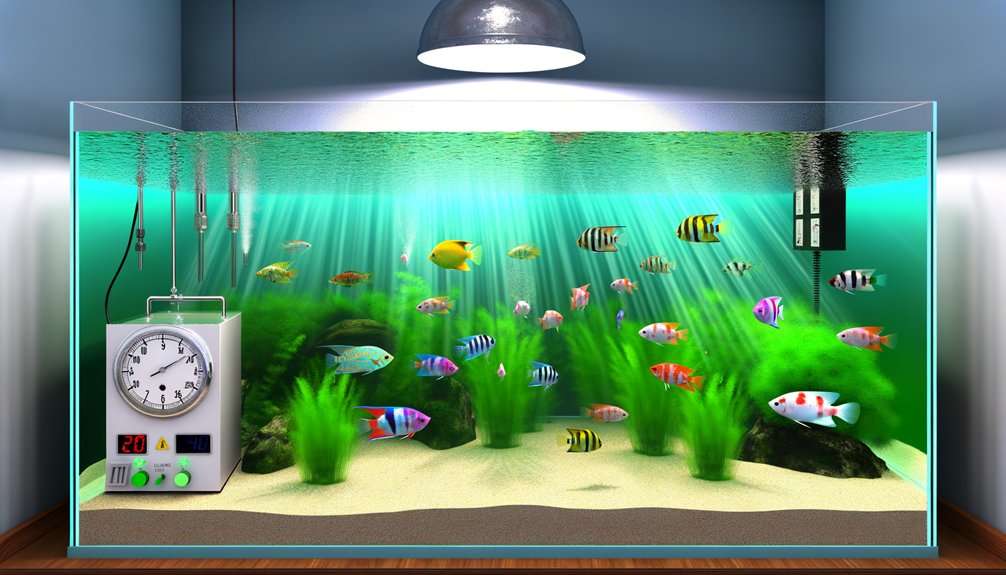
    How long before tap water is safe for fish? Modern dechlorination treatments make tap water safe instantly by neutralizing toxic chlorine and chloramines. Though immediate chemical safety is achieved, letting water sit briefly helps stabilize temperature and pH, preventing fish shock. Always use an effective water conditioner to protect your fish and their ecosystem.

    Key Takeaways

    • Let tap water sit for 24-48 hours to allow chlorine to evaporate naturally before introducing it to fish habitats.
    • Use dechlorination methods, such as vitamin C or chemical neutralizers, for immediate chlorine removal.
    • Test for chlorine and chloramines to ensure levels are safe for fish before adding water.
    • Monitor water hardness and pH levels to create an optimal environment for fish health.
    • Regularly check for heavy metals and other contaminants to maintain a safe aquatic environment.

    Understanding Tap Water Composition

    Understanding the composition of tap water is essential for ensuring a safe environment for fish. One critical aspect is water hardness, which refers to the concentration of dissolved minerals, primarily calcium and magnesium. These minerals affect not only the water’s pH but also the overall health of your aquatic life. High water hardness can lead to stress in fish, while too soft water may hinder essential biological processes. You should test your tap water regularly to determine its hardness and adjust as necessary. By using water conditioners or remineralization methods, you can create a more suitable habitat for your fish. Always aim for ideal water conditions, as they directly impact the well-being and longevity of your aquatic pets. read more
  • Neon Tetra Disease Treatment

    Neon Tetra Disease Treatment

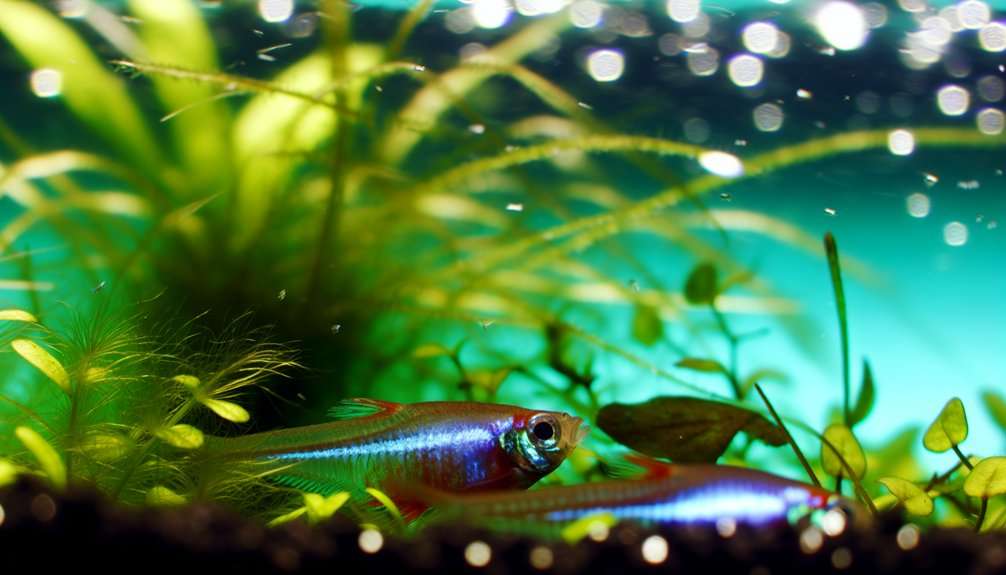
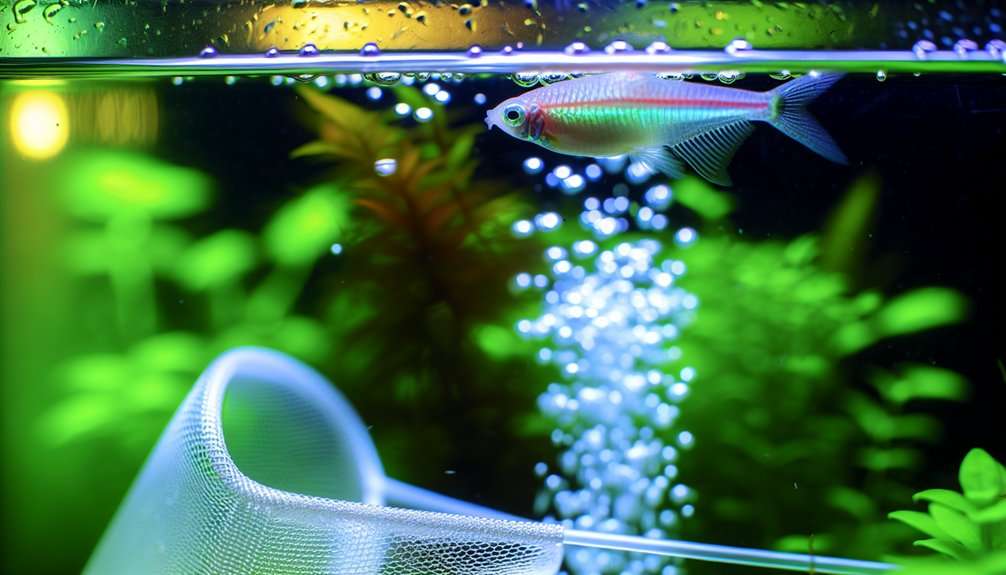
    Neon Tetra Disease Treatment: The Hard Truth You Need to Hear Right Now

    There is no cure.
    Once your neon tetra shows the tell-tale white patches, loss of color, or crooked spine, Neon Tetra Disease (caused by the parasite Pleistophora hyphessobryconis) has already won that fish. Most die in 24–72 hours, some in just hours.

    But here’s what actual **Neon Tetra Disease treatment** looks like in the real world: immediate isolation, humane euthanasia of infected fish, and aggressive protection of every healthy tetra left in the tank. Waiting for a miracle “cure” only spreads the spores and dooms the rest of your school. read more

  • How Long Does Neon Tetra Disease Take to Kill

    How Long Does Neon Tetra Disease Take to Kill

    How Long Does Neon Tetra Disease Take to Kill? The Terrifying Timeline You Need to Know Right Now

    Once Neon Tetra Disease takes hold, the clock ticks brutally fast — most infected fish are dead within **24–72 hours** of visible symptoms, some collapsing in as little as **12 hours**. What starts as subtle hiding or slight color fading explodes into white cysts, spinal deformity, and total shutdown almost overnight.

    Knowing **how long Neon Tetra Disease takes to kill** isn’t just trivia — it’s the difference between saving your school or losing every neon in the tank. Spot the early warning signs now, because once the countdown starts, every hour counts. read more

  • Neon Tetra Disease

    Neon Tetra Disease

    Neon Tetra Disease can strike like a thief in the night, stealing the vibrancy of your aquarium. If you’ve noticed your beloved fish displaying strange behaviors orfading colors, you might be facing an unsettling challenge. Understanding the signs and causes of this disease is essential for any fish keeper. What steps can you take to protect your tank and its inhabitants? Let’s explore the intricacies of this alarming condition together.

    Key Takeaways 

    • Neon Tetra Disease is caused by the parasite Pleistophora hyphessobryconis, primarily affecting Neon Tetras and other freshwater fish.
    • Symptoms include faded colors, white cysts on the body, erratic swimming, and behavioral changes like lethargy.
    • The disease spreads through direct contact and contaminated water, with environmental stress factors increasing susceptibility.
    • No cure exists; infected fish should be quarantined, and proper tank maintenance is essential to prevent outbreaks.
    • Maintaining a healthy environment and diet supports fish immune systems, reducing the risk of disease.

    Understanding Neon Tetra Disease

    Although Neon Tetra Disease (NTD) primarily affects the popular Neon Tetra fish, it can pose a significant threat to your aquarium’s health. Understanding NTD is vital for effective aquarium management. The disease often leads to changes in neon tetra behavior, such as lethargy and isolation from the school. Recognizing these behavioral shifts early on is important to prevent the spread of the disease. You should maintain ideal water quality and monitor your fish closely, as stressed or weakened tetras are more susceptible to infections. Implementing good tank hygiene, avoiding overpopulation, and providing a balanced diet can greatly reduce the risk of NTD. By staying proactive, you can help guarantee a thriving environment for your neon tetras and other aquatic inhabitants. read more

  • Neon Tetra Disease Symptoms

    Neon Tetra Disease Symptoms

    Neon Tetra Disease Symptoms: The Early Warning Signs Every Owner Needs to Know

    Did you know that up to 50% of neon tetras will face Neon Tetra Disease in their lifetime? This ruthless, incurable parasite can strip away their iconic colors, destroy their health, and decimate an entire school in weeks. Spotting **Neon Tetra Disease symptoms** early is the only way to save your healthy fish — here’s exactly what to watch for before it’s too late.

    Key Takeaways

    • Unusual swimming patterns or lethargy are common early signs of distress in neon tetras.
    • Visible symptoms include white cysts, discoloration, and skin lesions on the fish’s body.
    • Erratic swimming and isolation from tank mates may indicate health issues related to the disease.
    • Aggressive behavior and lack of interest in food can reflect stress or illness in affected fish.
    • Monitoring water quality and tank conditions is crucial to prevent outbreaks and protect the fish.

    Neon Tetra Disease Symptoms

    Neon Tetra Disease (NTD) is a serious illness that primarily affects the popular neon tetra fish, and it can be devastating for your aquarium. Understanding how this disease transmission occurs is essential for maintaining a healthy tank. NTD is caused by a protozoan parasite that can spread rapidly among your fish, especially if they’re stressed or weakened. You might notice that new fish added to your aquarium can introduce this disease, so always quarantine new arrivals before adding them to your main tank. Additionally, poor water quality and overcrowding can increase the risk of disease transmission. Taking proactive measures, such as maintaining proper tank conditions and monitoring your fish, will help protect your neon tetras from this harmful illness. read more

  • Neon Tetra Turning White

    Neon Tetra Turning White

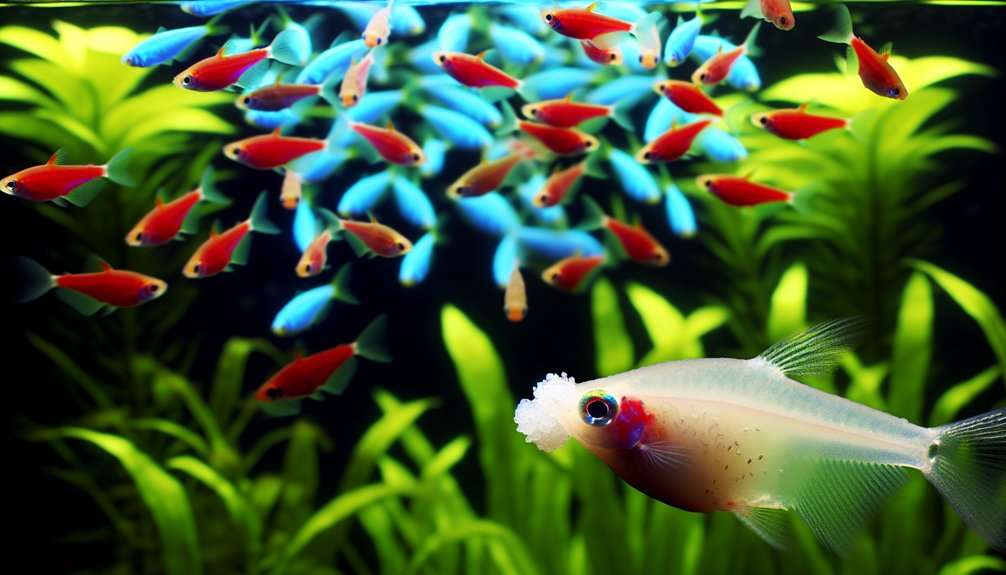
    Neon Tetra Turning White? Don’t Panic — Here’s What’s Happening and How to Bring Their Electric Glow Back!

    Picture this: your once-dazzling school of neon tetras — those shimmering streaks of blue and fiery red — suddenly looking pale, washed-out, almost ghostly. Heart-dropping, right? When your **neon tetra turning white**, it’s their way of screaming, “Something’s wrong!”

    Whether it’s stress from bad water, a sneaky infection like Columnaris, the deadly Neon Tetra Disease, or parameters gone wild, color loss is a flashing red alert. The good news? In most cases, you can reverse it fast and watch that iconic neon blaze return. read more

  • Frequent Water Changes No Cycling

    Frequent Water Changes No Cycling

    Frequent water changes no cycling can maintain a healthy aquarium, but it requires diligent management. Regularly changing 10-20% of the water weekly helps dilute toxins like ammonia and nitrates, essential for fish health. Always match the new water’s temperature and pH to minimize stress on your aquatic life. However, skipping cycling can lead to unstable water parameters and potential ammonia spikes. There’s more to guarantee a thriving aquarium environment, so let’s explore those strategies further. read more

  • Green Algae in Fish Tank

    Green Algae in Fish Tank

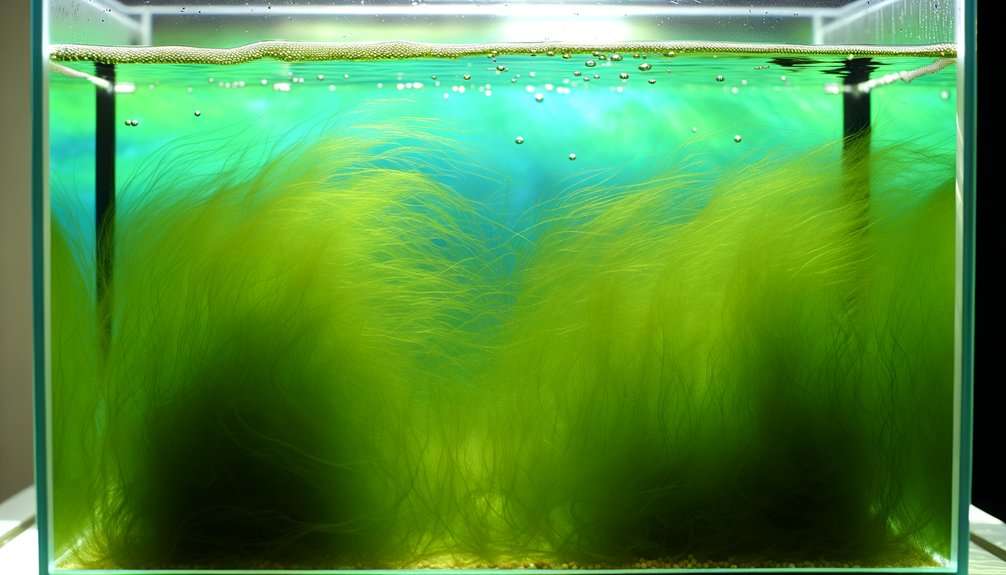
    Green algae in fish tank the key to a naturally stable aquatic ecosystem. These organisms are vital for healthy aquarium life, acting as a powerhouse filter that absorbs excess nutrients like nitrates and phosphates while producing necessary oxygen. They even provide a valuable natural food source that aids in your fish’s digestion and overall health. When factors like overfeeding or excessive light exposure cause runaway growth, however, you must step in. Maintain balance by utilizing algae-eating fish, optimizing your lighting schedule, and performing routine water changes. Learn how to harness these beneficial organisms to create a thriving, balanced, and low-maintenance tank. read more

  • Algae-cycled aquarium

    Algae-cycled aquarium

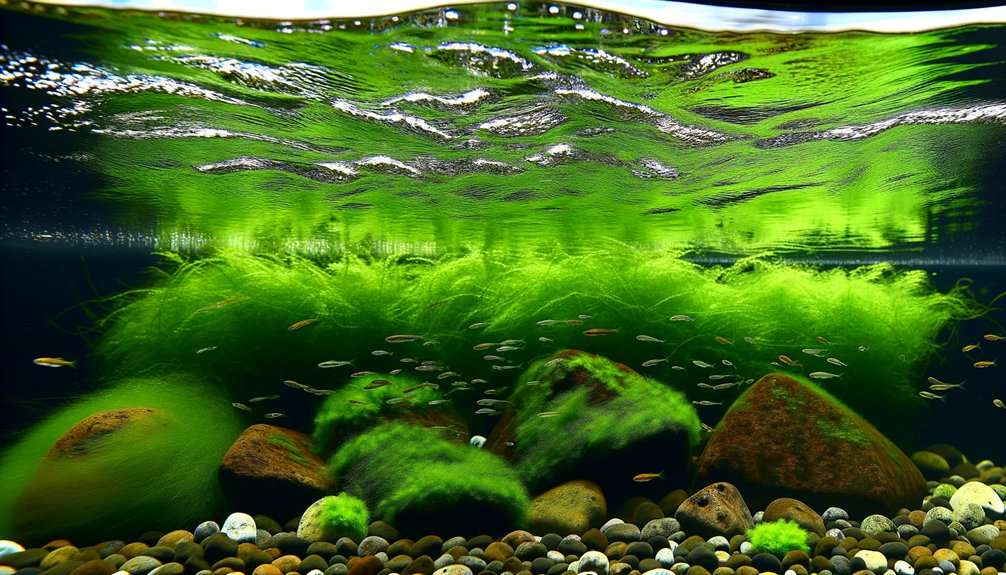
    Algae-cycled aquarium uses algae’s natural processes to manage waste and enhance water quality. Algae absorb nutrients, preventing harmful buildup while providing oxygen and stabilizing the ecosystem. By maintaining ideal lighting and nutrient levels, you encourage healthy algae growth, which supports a balanced habitat for fish and plants. This approach leads to reduced reliance on chemical treatments. To optimize your algae cycle and tackle common issues, there are more effective strategies you can implement. read more

  • Aquarium Not Cycling? Stop the Stall!

    Aquarium Not Cycling? Stop the Stall!

    Aquarium not cycling turning tank setup into a nightmare, you need immediate answers. A stalled nitrogen cycle means toxic ammonia and nitrite are building up, directly threatening your fish’s health. Don’t waste another week! The fix often lies in correcting water parameters, optimizing beneficial bacteria growth, or boosting filtration efficiency. Learn how to quickly diagnose why your cycle won’t finish and get your tank on the fast track to becoming a stable, healthy aquarium today.. read more