How Long Does Neon Tetra Disease Take to Kill? The Terrifying Timeline You Need to Know Right Now
Once Neon Tetra Disease takes hold, the clock ticks brutally fast — most infected fish are dead within **24–72 hours** of visible symptoms, some collapsing in as little as **12 hours**. What starts as subtle hiding or slight color fading explodes into white cysts, spinal deformity, and total shutdown almost overnight.
Knowing **how long Neon Tetra Disease takes to kill** isn’t just trivia — it’s the difference between saving your school or losing every neon in the tank. Spot the early warning signs now, because once the countdown starts, every hour counts.
How Long Does Neon Tetra Disease Take to Kill The Takeaways
- Symptoms of Neon Tetra Disease can take weeks to appear after initial infection, delaying diagnosis and treatment.
- Once symptoms manifest, the disease can progress rapidly, leading to significant fish loss within a couple of weeks.
- Stress factors, such as poor water quality, can accelerate disease progression, potentially shortening survival time.
- Early intervention, including isolation and treatment, is crucial for improving recovery chances and extending fish lifespan.
- Without treatment, Neon Tetra Disease can lead to death within 1-2 weeks after symptoms become apparent.
Overview of Neon Tetra Disease
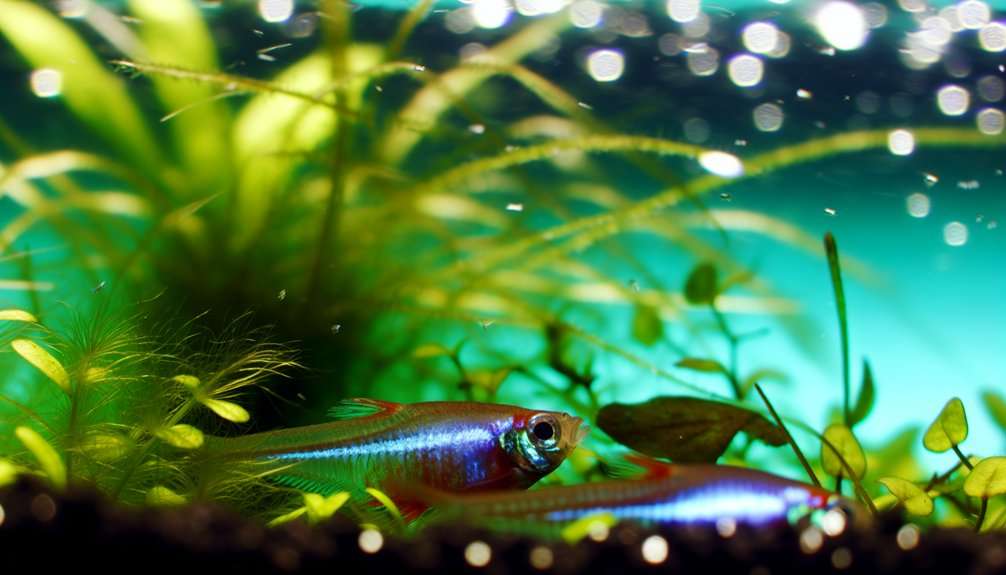
Neon Tetra Disease is a serious condition that affects the vibrant neon tetra fish, commonly found in aquariums. If you’re a fish owner, understanding this disease is essential for effective neon tetra care. Symptoms typically include fading colors and abnormal swimming patterns, which can signal trouble. To keep your fish healthy, focus on disease prevention by maintaining clean water and a stable environment. Regular water changes and monitoring your tank’s temperature can greatly reduce stress on your fish, lowering their susceptibility to illness. Additionally, quarantining new fish before introducing them to your aquarium helps prevent the spread of diseases. By being proactive, you can help guarantee your neon tetras thrive and remain a colorful addition to your aquatic setup.
Causes and Transmission
Understanding the causes and transmission of Neon Tetra Disease is essential for keeping your fish healthy. You’ll find that infection sources, stress factors, and water quality issues all play significant roles in its spread. By addressing these elements, you can help prevent the disease from taking hold in your aquarium.
Infection Sources
While keeping your aquarium clean is essential for fish health, it’s important to recognize the various sources of Neon Tetra Disease. One major source is your tank mates; if they’re infected, they can easily spread the disease to your neon tetras. Additionally, contaminated fish food can introduce pathogens into your aquarium. Make sure to choose high-quality food and avoid overfeeding, as uneaten food can rot and create an unhealthy environment. Always quarantine new fish before adding them to your tank, as this helps prevent the spread of diseases that may not show symptoms immediately. By being vigilant about these infection sources, you can markedly reduce the risk of Neon Tetra Disease in your aquarium.
Stress Factors
Stress factors play an essential role in the transmission and severity of Neon Tetra Disease. When your fish experience stress triggers, they become more susceptible to infections. Common environmental stressors include overcrowding, fluctuating temperatures, and poor water conditions. These factors weaken their immune systems, making it easier for the disease to take hold.
Here’s a quick overview of stress factors:
| Stress Trigger | Effect on Fish | Prevention Tips |
|———————-|———————|————————-|
| Overcrowding | Increased aggression | Maintain proper stocking |
| Temperature Fluctuations | Weakened immunity | Use heaters/thermometers |
| Poor Water Quality | Stress and disease | Regular water changes |
| Sudden Changes | Shock and illness | Gradual adjustments |
Water Quality Issues
Water quality issues can greatly impact the health of your neon tetras, as poor conditions create an environment ripe for disease transmission, including Neon Tetra Disease. Maintaining proper water chemistry is essential; fluctuations in pH, ammonia, and nitrite levels can stress your fish and lower their immunity. Inadequate filtration systems can exacerbate these problems, allowing harmful toxins to build up in your aquarium. Regular water changes and monitoring parameters help prevent these issues. You should also confirm your filtration system is functioning properly, as it plays an important role in keeping the water clean and safe. By taking these steps, you can create a healthier environment for your neon tetras and reduce the risk of disease outbreak.
Initial Symptoms to Observe
When you notice your neon tetras acting differently, it’s time to pay attention. Look for behavioral changes, like hiding more or losing their usual school behavior, as well as physical indicators, such as faded colors or unusual spots. Catching these initial symptoms early can be essential for their health.
Behavioral Changes
As you observe your neon tetras, subtle behavioral changes can signal the onset of Neon Tetra Disease. You might notice your fish becoming less active than usual, swimming near the bottom or hiding more often. Pay attention to any disruptions in their social hierarchy; normally dominant tetras may start to withdraw or show signs of stress. This shift can affect the overall dynamics of your tank, leading to increased aggression among the remaining fish. Keep an eye on their feeding habits too; a decrease in appetite can be a key indicator. Regular behavioral observation is essential, as these early signs might help you address the issue before it escalates into a more serious problem.
Physical Indicators
Alongside behavioral changes, physical indicators can provide early warnings of Neon Tetra Disease. You should keep an eye out for these physical signs, as they can help you act quickly. Watch for color changes in your fish; a healthy neon tetra should display vibrant colors. When the disease strikes, you might notice a dulling or fading of these hues. Additionally, other symptoms can manifest in their fins and body.
| Physical Sign | Description | Action to Take |
|——————-|——————————–|——————————|
| Color Changes | Dull or faded coloration | Isolate affected fish |
| Fin Damage | Frayed or ragged fins | Monitor water conditions |
| Body Lesions | White or grayish spots | Consult an aquarium expert |
Act swiftly to protect your aquatic friends!
Progression Timeline of the Disease
Neon Tetra Disease progresses at an alarming rate once it takes hold in your aquarium. The disease progression typically starts with subtle changes in your fish’s behavior, like increased hiding or decreased appetite. As days go by, you’ll notice the classic symptom timeline emerging: the development of white cysts and color fading. Within a week or two, these symptoms worsen, leading to more severe signs like fin erosion and lethargy. It’s vital to monitor your fish closely during this period. If you see these symptoms, act quickly to isolate affected individuals, as the disease can spread swiftly through your tank. Understanding this timeline helps you take timely action, potentially saving healthy fish from the same fate.
Impact on Neon Tetra Health
The rapid progression of Neon Tetra Disease greatly impacts the overall health of affected fish. You might notice your neon tetras becoming lethargic, losing their vibrant colors, or developing visible lesions. These symptoms can lead to significant distress and eventual death, making proper neon tetra care essential.
| Symptom | Impact on Health |
|———————|—————————-|
| Lethargy | Decreased activity levels |
| Color fading | Weakening immune response |
| Lesions | Increased infection risk |
| Loss of appetite | Nutritional deficiencies |
To maintain a thriving aquarium, focus on disease prevention by ensuring clean water, balanced diets, and regular monitoring of your fish. By staying proactive, you can protect the health of your neon tetras.
Treatment Options Available
While it’s challenging to reverse the effects of Neon Tetra Disease, several treatment options can help manage the symptoms and improve your fish’s quality of life. You can explore various medication options, such as anti-parasitic medications and medicated foods, which may alleviate some symptoms. It’s essential to monitor your fish closely to assess treatment effectiveness, as results can vary. Make sure you maintain a clean tank environment to reduce stress on your fish, as this can enhance their overall health. Quarantining affected fish can also prevent the spread of the disease to healthy tank mates. Always consult with a veterinarian or an aquarist for tailored advice and to guarantee the best possible care for your neon tetras.
Preventive Measures for Aquarists
To effectively prevent Neon Tetra Disease, you should focus on maintaining a stable and healthy aquarium environment. Start by ensuring proper tank maintenance, which includes regular water changes and monitoring water parameters. A clean tank reduces stress and enhances fish health. Incorporate preventive feeding by providing high-quality, varied diets to boost your tetras’ immune systems. Avoid overfeeding, as uneaten food can decay and pollute the water, leading to disease outbreaks. Monitor your fish for any signs of illness and remove sick individuals immediately to prevent the spread of pathogens. Finally, maintain stable temperature and pH levels to create an ideal habitat. These proactive measures will help keep your neon tetras thriving and reduce the risk of Neon Tetra Disease in your aquarium.
Importance of Quarantine Procedures
Quarantine procedures are essential for maintaining a healthy aquarium, especially when introducing new fish. By following proper quarantine protocols, you can prevent diseases like Neon Tetra Disease from spreading to your existing fish. Setting up isolation tanks to house new arrivals for at least two weeks allows you to monitor their health and behavior. During this time, watch for any signs of illness, and treat any issues that arise. If you skip these steps, you risk exposing your entire tank to potential infections, which could devastate your fish population. Remember, taking the time to quarantine can save you from costly losses and guarantee a thriving aquarium environment for your fish. Prioritize these procedures for the best outcomes.
Long-term Management Strategies
Effective long-term management strategies are essential for preventing Neon Tetra Disease from taking hold in your aquarium. Start by ensuring a balanced diet through long-term feeding practices that promote the health of your fish. Opt for high-quality flakes or pellets and supplement with live or frozen foods to enhance their immune systems. Maintain a clean environment by performing regular water changes and monitoring water parameters. Choose compatible tank companions that won’t stress your tetras, as stress can weaken their defenses against diseases. Additionally, observe your fish daily for any signs of illness, as early detection can be vital. By implementing these strategies, you’ll create a thriving habitat that minimizes the risk of Neon Tetra Disease and keeps your fish healthy.
Conclusion
How Long Does Neon Tetra Disease Take to Kill?
The Brutal Truth That Saves Lives
Bottom line: once visible symptoms hit, you have **hours—not days**—before Neon Tetra Disease claims its victims. Most fish are gone in 24–72 hours; many don’t survive the first 12.
Stay ahead of the clock: quarantine every new fish for at least 4 weeks, watch for the tiniest fade or odd swim pattern, and euthanize affected tetras immediately to protect the rest. Vigilance and ruthless action are the only things that stop this killer in its tracks.
Commit to that standard, and your neon tetras won’t just survive—they’ll keep blazing electric blue and red for years. Ignore it, and you’ll watch that countdown wipe out your entire school. The choice is yours.
Leave a Reply